The Best Time to Visit Lagos and the Algarve (2026)
The short answer most travellers want: late May, June, September and the first half of October. Here is the longer version, month by month, with sea state, water temperature, crowds and what actually runs on the water.
Choose the experience as well as the season. Use actual departure dates for boat plans, with town and food activities as a separate land option.
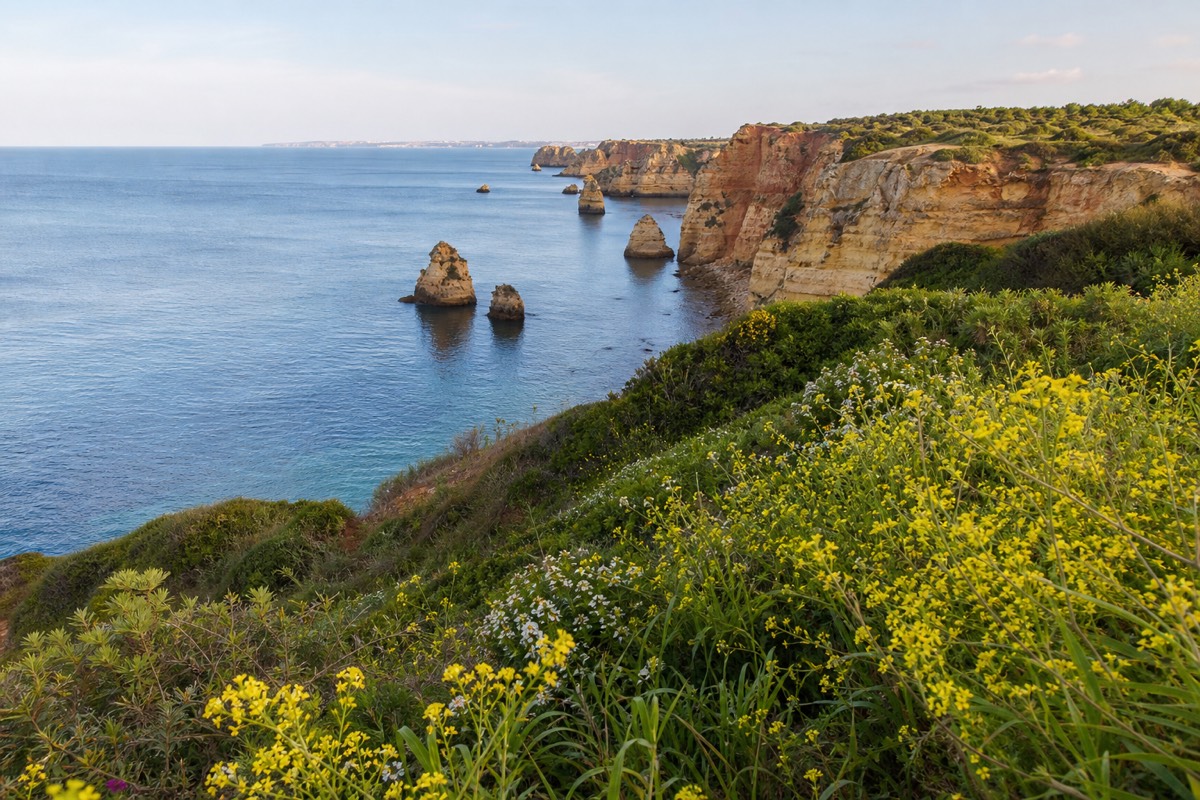
At a glance: month by month
May, June, September and October pair warm water and reliable boat days with thinner crowds.
When is the best time to visit Lagos and the Algarve?
The best months to visit Lagos and the Algarve are late May through June and September into early October. You get warm, settled weather, a sea warm enough to swim in, the calmest boat conditions of the year and far smaller crowds than the July and August peak. Prices ease in these shoulder weeks too.
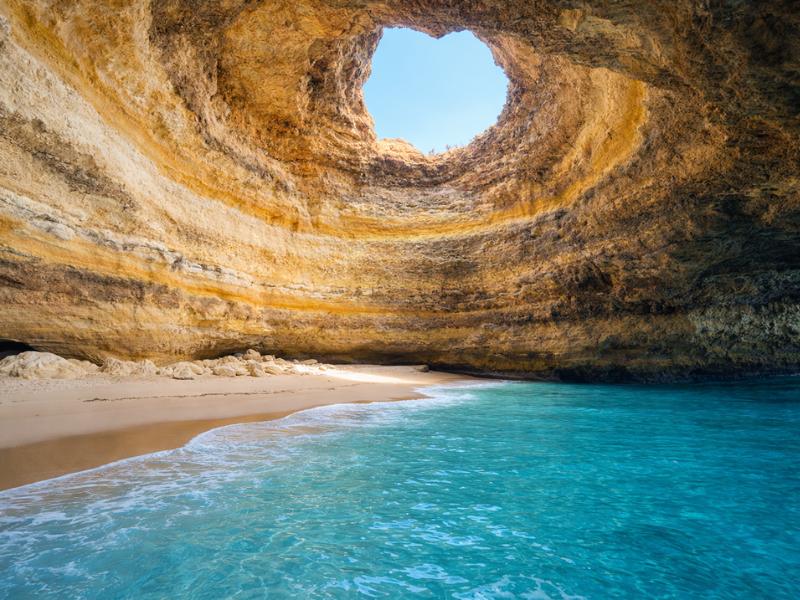
Lagos sits on the western Algarve, roughly 80 km west of Faro airport, and the whole town is built around one thing on the water: the golden cliffs, sea stacks and grottoes of Ponta da Piedade. The season you pick changes almost everything about how that coast feels, from the temperature of the water to whether the small grotto boats can thread the narrow cave passages at all. The small-group departures that Lagos Boat Tours lists all leave from Marina de Lagos, and the month you choose changes both what runs and how much you pay.
The peak is July and August: hottest air, warmest sea, longest days, and the busiest marina of the year. The shoulder seasons on either side, April to June and September to October, are the sweet spot for most people, and many repeat visitors and photographers quietly prefer late September and early October above everything else. Winter is quiet, cheap and genuinely mild, but the Atlantic is less predictable and some operators cut back their schedule.
| Month | Typical daytime high | Sea temperature | Rain | Crowds | Price level |
|---|---|---|---|---|---|
| January | about 16 C | about 16 C | Higher | Very low | Lowest |
| February | about 16 C | about 15 C | Higher | Very low | Lowest |
| March | about 18 C | about 16 C | Moderate | Low | Low |
| April | about 20 C | about 17 C | Moderate | Rising | Low to mid |
| May | about 23 C | about 18 C | Low | Moderate | Mid |
| June | about 26 C | about 20 C | Very low | Busy | Mid to high |
| July | about 29 C | about 21 C | None to minimal | Very busy | Highest |
| August | about 29 C | about 22 C | None to minimal | Very busy | Highest |
| September | about 27 C | about 22 C | Low | Easing | Mid to high |
| October | about 23 C | about 20 C | Moderate | Moderate | Mid |
| November | about 19 C | about 18 C | Higher | Low | Low |
| December | about 16 C | about 17 C | Higher | Very low | Lowest |
Treat the temperatures as typical climate figures rather than a forecast for your exact dates. The Algarve is one of the sunniest corners of Europe, so even the wetter months carry plenty of bright days, and a run of settled weather in March can feel like early summer. Check a live forecast close to your trip, and read the sea-state forecast separately from the land weather, because a sunny beach day and a boatable sea are not always the same thing.
What is the weather like in Lagos month by month?
Summer in Lagos is hot and dry, with daytime highs near 29 C in July and August and a sea around 21 to 22 C. Spring and autumn are warm and settled, roughly 20 to 27 C, with the sea climbing to a swimmable 18 to 22 C from May onward. Winter is mild, around 16 C, but wetter and windier.
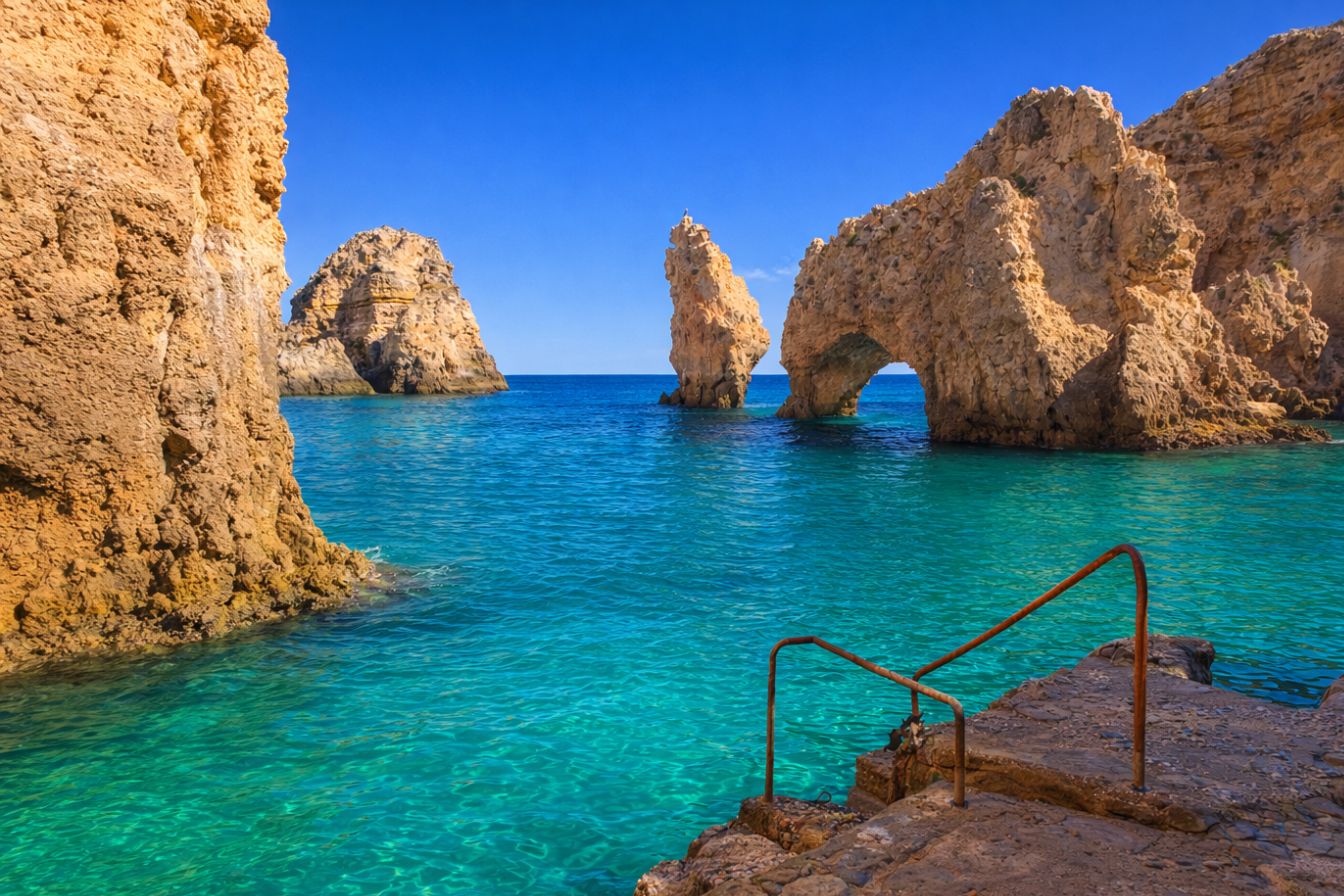
The pattern that matters for anyone planning time on the water is how slowly the sea warms compared with the air. May can deliver a 23 C afternoon on land while the Atlantic is still a bracing 18 C. By September the land has cooled a little but the sea is at its yearly warmest, near 22 C, which is why late-season swimmers and snorkellers often rate September and October above high summer. The water off Lagos is colder than many first-time visitors expect, and a swimsuit under the provided wetsuit is the right call on the kayak and paddle trips.
Daylight swings hard across the year. In June the sun is up past nine in the evening, which stretches a day into two outings if you want it. In December the light is gone by half past five, so a single mid-morning trip is usually the whole boating day. That daylight also shapes the light on the cliffs, which is the reason a sunset cruise is a different experience in April than in October.
| Period | On-land feel | Sea state on the water | Daylight and light |
|---|---|---|---|
| Dec to Feb | Mild, green, often wet | Most variable; westerly swell common | Short days, low soft light, early sunsets |
| Mar to Apr | Warming, some showers | Improving week by week, some swell | Days lengthen fast; clocks jump forward in late March |
| May to Jun | Warm, dry, comfortable | Calmest window of the year begins | Long days, high clear light, late sunsets |
| Jul to Aug | Hot, dry, bright | Generally calm; afternoon breeze builds | Longest days, hard midday light, latest sunsets |
| Sep to Oct | Warm, settled, softening | Still calm early, more swell by late Oct | Golden low light; clocks fall back in late October |
| Nov | Cooling, wetter | Swell increasing, more off days | Short days, early sunsets return |
One local habit worth copying: book the morning slot in any season. The Atlantic off the Algarve tends to be flattest at first light and a north-west wind builds through the afternoon, so a 9 or 10 am departure is calmer, clearer for photos, and less likely to be moved by the weather than a mid-afternoon one.
Is shoulder season, summer, or winter better for a Lagos trip?
Shoulder season, April to June and September to October, is the best all-round choice: warm weather, a swimmable sea, calm boating and 20 to 40 percent lower prices than July and August, with far smaller crowds. Choose summer only if you want the warmest water, longest days and full-on holiday buzz. Winter suits quiet, cheap, mild-weather trips where flexibility matters more than guaranteed sea days.
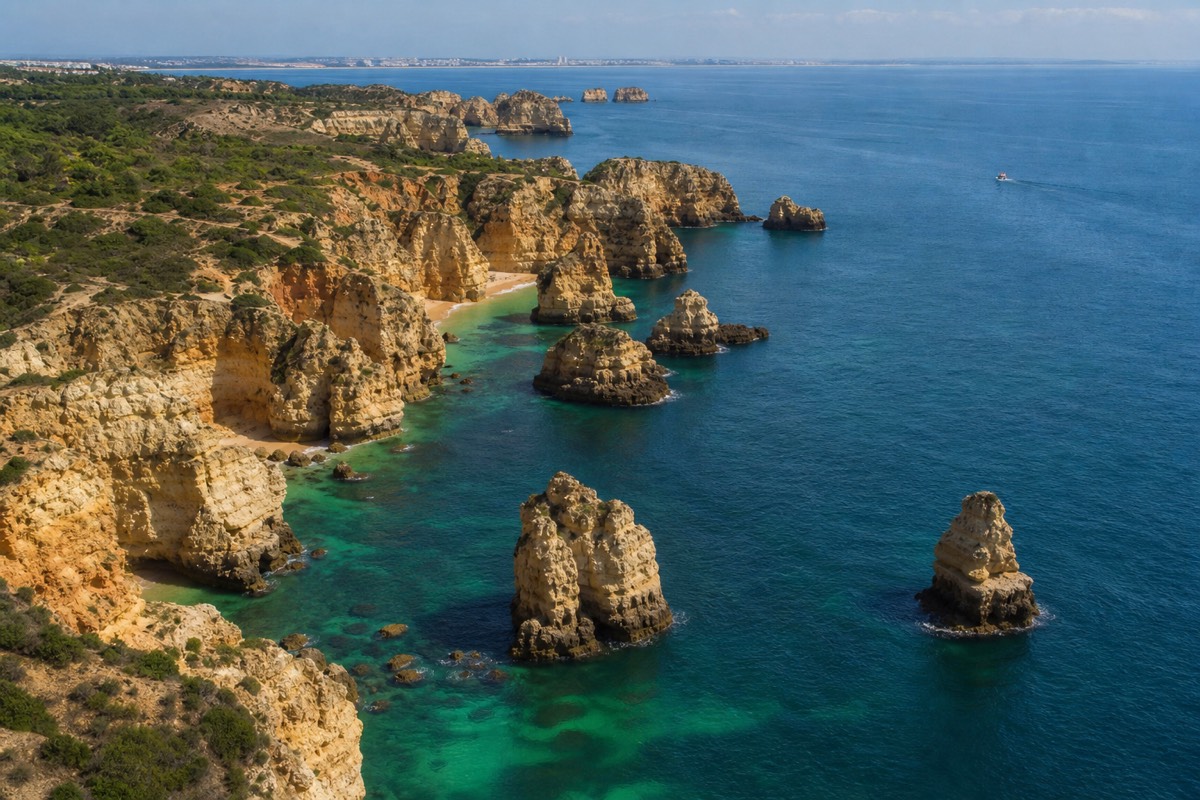
The case for shoulder season is strong on almost every axis. The caves and beaches are relaxed rather than queued, the small grotto boats are easier to get onto at short notice, and the light in late September has a warmth that hard summer sun does not. Repeat visitors gravitate here for a reason. If you can only travel in one window and you care about the coast more than the nightlife, this is it.
Summer earns its crowds honestly. The sea is at its most inviting, the days are enormous, and every operator runs a full schedule, so the widest choice of departure times is on the board. The trade is real, though: the most popular morning grotto departures and the best sunset slots sell out days or weeks ahead, boats queue at the cave entrances around midday, and the beaches feel packed. If you come in July or August, book early and go out early.
Winter is the contrarian's season. The town stays open and mild at around 16 C, the coast is close to empty, and both tours and accommodation are at their cheapest of the year. The catch is the Atlantic: swell is more common, some boat days are lost to weather, and a handful of smaller operators trim their schedules. For a walker, a photographer chasing soft low light, or anyone who values a quiet town and a low bill over a guaranteed swim, it is a genuine option rather than a fallback.
| Season | Works well for | The upside | The trade-off |
|---|---|---|---|
| Shoulder (Apr to Jun, Sep to Oct) | Most travellers, couples, photographers | Warm, calm, cheaper, uncrowded, easy booking | Sea still cool in April to early May |
| Peak summer (Jul to Aug) | Beach holidays, families on school breaks | Warmest sea, longest days, every tour running | Busiest, priciest, book weeks ahead, midday queues |
| Winter (Nov to Mar) | Quiet breaks, budget trips, walkers | Mild, very cheap, calm town, spontaneous booking | Rougher sea, more cancellations, reduced schedules |
Whichever window you land on, the coast itself is the constant. The cliffs at Ponta da Piedade are extraordinary in March drizzle and in August glare alike, and if you want to sanity-check what a day on the water actually costs across the seasons, our boat tour prices guide lays out the ladder. The season mostly decides comfort, crowds and how far ahead you need to plan.
When do Lagos boat tours run, and when does the sea cancel them?
Boat tours run year-round from Marina de Lagos, but the Atlantic decides the day. Calm conditions from May to October rarely stop a trip. Strong westerly wind, above roughly 25 to 30 knots, or a big swell, is what cancels or shortens tours, and that is most common from November through March. Light rain or a moderate breeze almost never stops a departure.
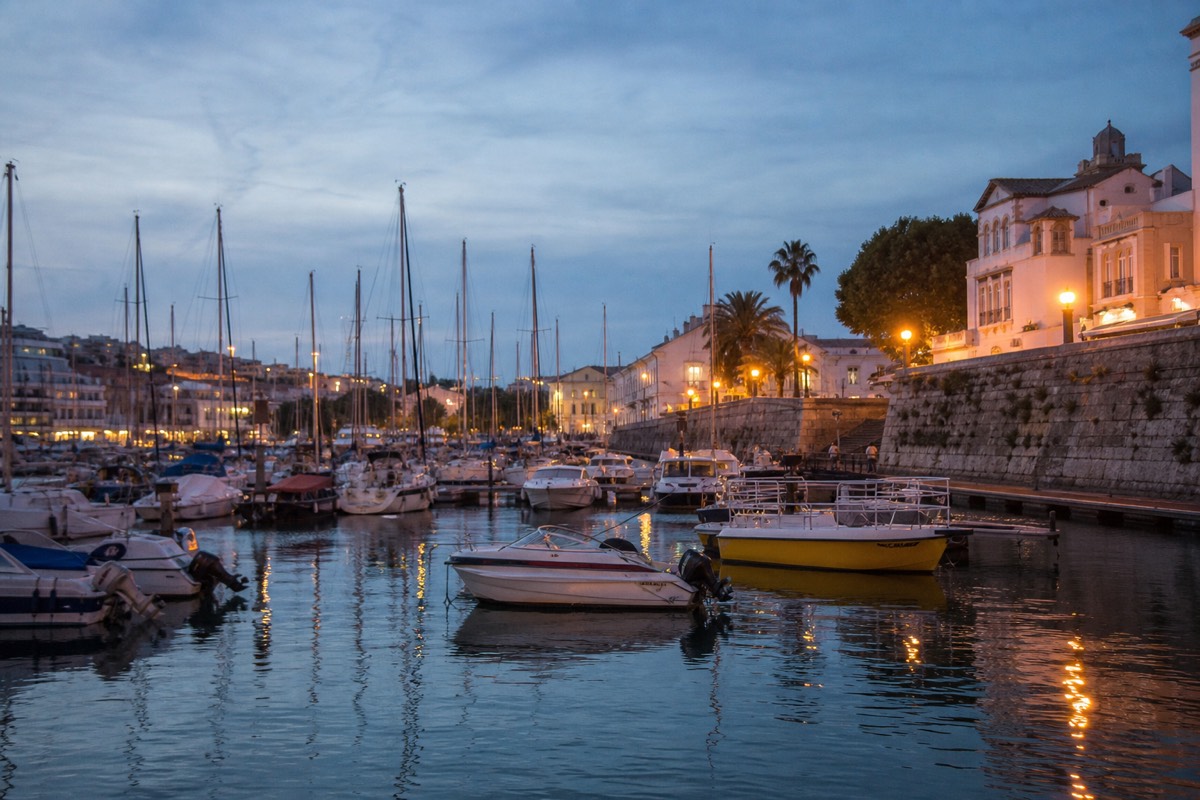
Here is what operators tell travellers honestly before a trip: the Atlantic swell at Ponta da Piedade is real and variable. On calm days the narrow grottoes are open to almost any small boat and even beginner kayakers. On swellier days the cave entrances become unpredictable, so a skipper may skip the tightest passages, spend more time in the larger formations, or move to a sheltered stretch of coast. Good crews brief this before departure rather than changing the plan mid-water without explanation.
Winter cancellations are more frequent, but they are still the exception, not the rule. Many people happily take a Ponta da Piedade grotto boat trip in January, and overcast days can actually improve the experience with softer light and fewer boats. When a tour genuinely cannot run for safety, the reputable operators reschedule or refund rather than push a boat out in conditions that will not deliver. That judgement is part of what you are paying an experienced crew for.
| Conditions | What it means on the water | What usually happens to the tour |
|---|---|---|
| Calm, light wind (most of May to Oct) | Flat or gentle sea, easy cave access | Runs as planned, full grotto access |
| Light rain or drizzle | Softer light, quieter caves | Runs; many prefer these conditions |
| Moderate wind, 1 to 2 m swell | Choppier, some passages less predictable | Runs, but the route may be adjusted |
| Strong westerly, above 25 to 30 knots | Rough sea, unsafe cave entrances | Shortened, rerouted, or cancelled |
| Storm or big Atlantic swell | No safe small-boat operation | Cancelled; reschedule or refund offered |
If you are travelling in the shoulder or winter months, build a spare day into the plan and book the earliest slot you can. Reading the IPMA sea-state forecast the evening before tells you far more about whether your trip will run than the sunshine icon on a phone weather app. A calm morning is your friend in every season.
What is the best season for calm grotto trips and dolphin sightings?
For calm grotto trips, May, June, September and early October give the flattest, clearest water and the deepest cave access, with morning departures best in any month. For dolphins, April to October is prime, with sighting rates of 90 to 95 percent from licensed operators and the largest pods in high summer. September and October combine strong sightings with a quieter sea.
The grottoes reward calm above all else. A flat sea lets a small boat slip into the tightest passages and lets kayakers and paddlers explore at water level under the arches. That is why a Ponta da Piedade grotto boat trip and the guided kayak tour both peak in the late-spring and early-autumn windows, and why the crews steer everyone toward the earliest slot before the afternoon wind arrives. A stand-up paddle tour is the most weather-sensitive of the lot, so glassy morning water is what you want.
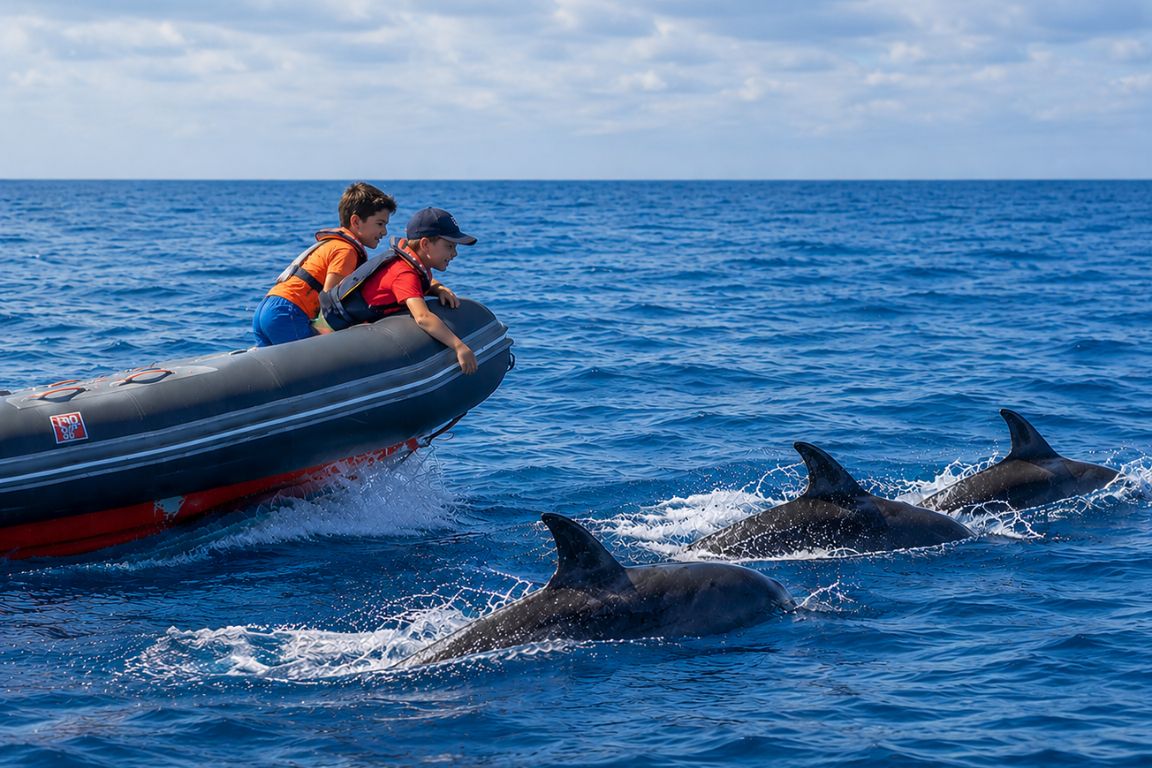
Dolphins follow a different logic. Common and bottlenose dolphins live off this coast all year, but summer brings migratory common dolphins down from the North Atlantic to join the residents, so pods swell and calves appear between June and September. A marine biologist dolphin tour is the format that turns a good sighting into an actual wildlife experience, because knowing what a pod is doing changes what you take away from it. October is a local favourite: sightings stay high, the pods are still large, and the marina is no longer at full tilt.
| Activity | Best months | Best time of day | Why |
|---|---|---|---|
| Ponta da Piedade grotto boat trip | May, Jun, Sep, early Oct | Morning, before 11 am | Flattest sea, deepest cave access, fewer boats |
| Marine biologist dolphin tour | Apr to Oct (peak Jun to Sep) | Early morning | Calm offshore water, largest pods, best spotting |
| Kayak and stand-up paddle tour | Late May to Sep | Morning, glassy water | Warmer sea, calm conditions, safe cave entry |
| Beach day at the best beaches in Lagos | Jun to Sep | Late morning to afternoon | Warmest sea and sand, long daylight |
| Sunset cruise | May to Sep | Late-afternoon departure | Long golden hour, warm evenings, calm water |
If you want both wildlife and caves without splitting your trip across many days, the dolphin-and-Benagil combo does both in one morning, though neither gets the full dedicated time it would alone. For the pure grotto experience, keep it separate and go early.
What closes in Lagos over winter, and is it still worth going?
Lagos does not close in winter. The town, restaurants, beaches and the main boat tours all keep running, and the weather stays mild at around 16 C. What changes is frequency: some operators reduce their timetable or pause for maintenance, sea days are less reliable, and the busy summer buzz is gone. For a quiet, cheap, scenic break, winter is genuinely worth it.
A winter visit trades guaranteed sea conditions for space, silence and value. The clifftop walks around Ponta da Piedade and the long sweep of Meia Praia are yours almost alone, accommodation and tours are at their cheapest, and you can often book a boat trip a day or two ahead rather than a week. Dolphin tours still run, with sighting rates easing to roughly 70 to 85 percent, and grotto trips go out whenever the Atlantic allows.
The honest caveats: expect some wet and windy stretches, a colder sea that rules out casual swimming, and the odd cancelled boat day. A handful of the smaller seasonal operators scale back between November and March. None of that stops a good trip if you come with a flexible plan and a spare day, and the low winter sun on golden cliffs is a photographer's reward that summer glare never delivers. If your priority is warm-water swimming and a full choice of departures, save Lagos for the shoulder or summer months instead.
When should you book each Lagos boat tour?
In July and August, book the small grotto boats and the best sunset slots one to four weeks ahead, since they cap passenger numbers and sell out first. In shoulder season, three to seven days ahead usually secures your preferred time. Off-season, same-day or one to two days ahead is often fine, though schedules are thinner.
The pattern is driven by boat size. The vessels with the best cave access are small, capped at roughly eight to twelve passengers, so they fill fastest. The most sought-after slots in any season are the early-morning grotto departures and the evening sunset cruise, both of which sell out ahead of everything else. Larger catamarans have more capacity and are a little easier to catch late, but the exact time you want may still be gone.
Booking ahead also locks in the specifics that matter: a confirmed departure time, a capped group size, and on the wildlife trips a licensed skipper and marine biologist assigned to your boat. We regularly hear from visitors who arrived hoping to sort it out at the marina and found their remaining days sold out, especially in summer. If the plan is set, reserve online and treat the marina booths as a backup rather than the plan.
| Season | Small grotto and sunset slots | Catamaran and half-day cruises | Walk-up odds at the marina |
|---|---|---|---|
| Jul to Aug (peak) | Book 1 to 4 weeks ahead | Book several days ahead | Low; popular times gone by 8 to 9 am |
| Apr to Jun, Sep to Oct (shoulder) | Book 3 to 7 days ahead | 1 to 3 days ahead | Moderate; better on weekdays |
| Nov to Mar (off-season) | 1 to 2 days ahead | Often same day | Good, weather permitting |
Whatever the season, book every ticket for your group in a single transaction. Travellers who buy separately sometimes end up split across two boats leaving at the same time, which is an easy and annoying mistake to avoid.
Which month suits your priority best?
If crowds are your enemy, come in May or late September. For the warmest sea, choose August. For the best value, target April, October or November. For the best light on the cliffs, September and October win. For the biggest dolphin pods, aim for June to September. There is no single perfect month, only the one that matches what you care about most.
Most people weigh two or three of these against each other. A couple chasing the softest golden light and an uncrowded coast should book late September without much debate. A family tied to school holidays should lean into what August does best, the warm sea and long days, and simply book early and go out in the mornings to sidestep the queues. A traveller on a budget who does not need to swim can have the whole coast to themselves in November for a fraction of the summer price.
| Your priority | Best pick | Note |
|---|---|---|
| Fewest crowds | May or late September | Warm and calm without the peak crush |
| Warmest sea for swimming | August | Sea near 22 C; book tours well ahead |
| Best value | April, October, November | Prices 20 to 40 percent below peak |
| Best light for photos | September to October | Low golden sun on the cliffs |
| Biggest dolphin pods | June to September | Migratory pods join the residents |
| Calmest boating and cave access | June and September | Flattest Atlantic of the year |
Pick the priority, then the month falls out of it. Once you have your dates, the next decisions are which trips to run and how to sequence them, and our boat tour prices guide and the sunset cruise guide cover both.